


Your Essential Guide to Senior Medical Alerts
As we age, life can present new challenges, but also new opportunities for independence. Many seniors cherish the comfort and familiarity of their own homes. Maintaining that independence, however, often requires careful planning and the right support systems in place.
One such crucial support system is a senior medical alert device. These systems act as a vital lifeline, offering peace of mind to seniors and their loved ones. They provide immediate assistance during emergencies, so you are never truly alone.
I understand the desire to remain self-reliant. I also know the importance of safety. So I am here to share my insights into selecting the best medical alert system to fit your unique needs. We will explore various options and features, helping you make an informed choice for yourself or a senior family member.
Understanding Senior Medical Alerts What They Offer
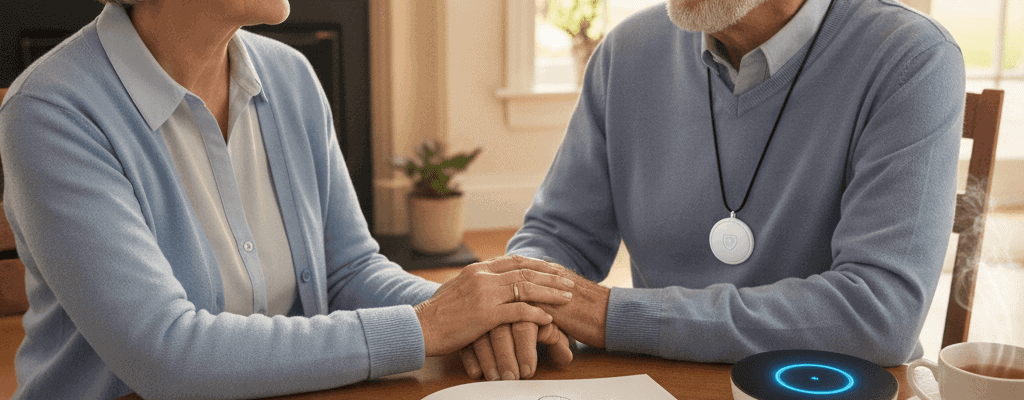
Senior medical alert systems are designed to provide quick access to help in an emergency. These systems typically include a wearable device, like a pendant or wristband, and a base unit. When a fall happens or another emergency arises, pushing a button connects you to a trained operator.
These operators are ready 24/7. They can assess the situation and dispatch emergency services, or contact a family member or neighbor if that is what you need. This quick response can be life-saving, especially for falls or sudden health issues. I have seen countless stories where these devices made all the difference.
Many systems today offer more than just basic button-push help. Some come with advanced features that cater to specific needs. These advancements make medical alerts more versatile and integrated into daily life.
For instance, some units detect falls automatically. This feature is especially useful if a person is unconscious or unable to press their button. Other systems include GPS tracking for users who are active outside the home. We will look closer at these options.
Choosing the right system means considering individual lifestyles, health conditions, and personal preferences. It is about finding a balance between robust safety and comfortable daily use. I believe that understanding these core offerings helps in making a confident decision.
Types of Medical Alert Systems
Medical alert systems generally fall into a few main categories. There are in-home systems, mobile systems, and hybrid solutions. Each type has its own benefits and is suited for different situations.
In-home systems are great for seniors who spend most of their time at home. They use a base unit connected to a landline or cellular network. The wearable button works within a certain range of this base unit. This range is usually enough to cover an entire house and even a small yard. The setup is simple and reliable for many.
Mobile systems offer protection on the go. These devices are smaller and can be carried anywhere. They use cellular technology and often include GPS. So, if an emergency happens at the park, grocery store, or during a walk, help is still available. This provides freedom and reassurance for active seniors.
Hybrid systems combine aspects of both in-home and mobile devices. They usually have a base unit for the home and a smaller mobile device for when you are out. This setup ensures continuous coverage, no matter where you are. I often recommend hybrid systems because they offer the most comprehensive protection.
Key Features to Look for in a Senior Medical Alert
When you explore senior medical alert systems, several features stand out as being truly beneficial. Thinking about these features helps you pick a system that fits perfectly with your lifestyle and needs. I always tell people to consider what their day-to-day life looks like.
First, consider the range of the device. For in-home systems, the button needs to work throughout the house and yard. Mobile systems need reliable cellular coverage wherever you typically go. You do not want to be out of range when you need help most.
Battery life is another crucial factor, especially for mobile devices. A long-lasting battery means fewer worries about charging it constantly. Some mobile devices have batteries that last for several days. This gives me peace of mind knowing the device will always be ready.
Water resistance is also a huge plus. Many falls happen in the bathroom, so being able to wear the device in the shower is really important. Most modern medical alert pendants are water resistant, so always check for this feature. It is a simple thing, but it offers big protection.
Automatic Fall Detection Technology
Automatic fall detection is a feature that many seniors and their families find incredibly valuable. This technology uses sensors to detect sudden movements that suggest a fall. If a fall is detected, the system automatically alerts the monitoring center, even if you cannot press the button.
This is especially helpful for people who might be prone to fainting or becoming disoriented after a fall. I think of it as an extra layer of security. It gives an added sense of safety, knowing that help is on the way without any action on your part.
It is important to understand that fall detection is not always 100% accurate. Sometimes it might trigger a false alarm, or it might not detect every single fall. But the peace of mind it offers usually outweighs these minor concerns. I usually recommend asking about the specific sensitivity settings when you consider this feature.
GPS Tracking for Outdoor Safety
For seniors who enjoy staying active outside, GPS tracking is an essential feature. This allows the monitoring center to pinpoint your location during an emergency, even if you do not know where you are. Imagine getting lost or having an accident while on a walk or at a public event. GPS can quickly guide responders to you.
This feature is particularly useful for those with cognitive impairments, such as dementia. It helps caregivers keep track of their loved ones. So, they can offer immediate assistance if they wander too far from home. This capability offers families much-needed reassurance.
Many modern mobile medical alert systems now include built-in GPS. They also integrate with apps that family members can use to see the senior’s location. This means better coordination and faster response times in critical moments. I see it as empowering seniors to maintain their active lifestyles safely.
Choosing the Right Monitoring Service
The monitoring service behind the medical alert system is just as important as the device itself. These services are what connect you to help. I always emphasize looking into the quality and reliability of the monitoring center.
A good monitoring service should operate 24 hours a day, 7 days a week. It needs to have certified operators who are trained to handle all types of emergencies. They should be calm and clear, guiding you through the situation until help arrives. This level of professionalism is something I truly value.
Response time is another critical factor. You want a service that connects you to an operator quickly, within seconds, not minutes. Every second counts in an emergency. So, speedy response times are a must. I suggest asking providers about their average response times.
Some services offer multilingual support. This can be very important if English is not your primary language. Knowing you can communicate clearly in your native tongue provides significant comfort. It ensures there are no misunderstandings during stressful situations.
Checking reviews and ratings of different monitoring services can also be helpful. Online testimonials often offer real-world experiences. This kind of research helps paint a clearer picture of what to expect from a service. We want a service that we can truly depend on.
Understanding Contracts and Fees
Before signing up for a medical alert system, it is vital to understand the contract terms and fees involved. Some companies offer monthly plans, while others may have annual contracts. Knowing these details helps prevent unexpected costs.
Many providers offer different tiers of service. These tiers come with varying features and price points. For example, a basic in-home system will likely cost less than a mobile system with fall detection and GPS. I always advise people to compare these options carefully.
Look out for hidden fees, such as activation fees, equipment fees, or cancellation fees. Some companies require you to purchase the equipment upfront, while others include it in the monthly subscription. Make sure you read the fine print and ask questions if anything is unclear.
Some providers offer discounts for veterans, AARP members, or other groups. It is always worth asking about any available promotions. A good deal can save you a significant amount over time. I encourage everyone to explore all possible savings.
Setting Up Your Medical Alert System for Seniors
Once you have chosen a medical alert system, setting it up correctly is the next important step. Most systems are designed for easy installation, so you can get them ready without professional help. I find that following the instructions carefully makes the process smooth.
For in-home systems, you will typically plug in the base unit to a power outlet and a phone line or ensure it has cellular service. Then, you will pair the wearable buttons with the base unit. Testing the system immediately after setup is crucial. This makes sure everything works as it should.
Mobile systems are often even simpler. You just need to charge the device and make sure it has a clear cellular signal. Always do a test call to the monitoring center before you rely on it. This confirms that the connection is active.
It is important to wear the device consistently. Many emergencies happen unexpectedly. So, wearing the pendant or wristband at all times, even while sleeping or showering, is key. This ensures you can get help when you need it most.
We should also make sure family members and caregivers know how the system works. They should understand who the monitoring center will contact and in what order. Sharing this information helps everyone feel more prepared. Communication is very important in emergency planning.
Testing Your System Regularly
Regularly testing your medical alert system ensures it is always ready to go. I suggest doing a test call at least once a month. This confirms that the device is communicating with the monitoring center and that the operators can hear you clearly.
During a test, let the operator know you are just performing a routine check. They will appreciate knowing it is not a real emergency. This practice also helps you become familiar with how the system works. So you feel more comfortable using it when a real situation arises.
Check the device’s battery regularly, especially for mobile units. Recharge it as needed. For in-home systems, confirm that the base unit has power and a clear connection. A quick visual check can often prevent problems before they start.
If you notice any issues during testing, like a weak signal or a button that does not respond, contact the company’s customer support right away. They can help troubleshoot and fix any problems. Maintaining a fully functional system is part of staying safe.
Integrating Medical Alerts with a Safe Home Environment
A medical alert system is a great tool, but it works best when combined with a safe home environment. Simple changes around the house can greatly reduce the risk of falls and other accidents. I always tell people that prevention is the first line of defense.
Remove tripping hazards like loose rugs or cluttered pathways. Make sure all rooms have good lighting, especially hallways and staircases. Installing grab bars in bathrooms and stair railings can also provide extra support. These small modifications create a much safer living space.
Keep frequently used items within easy reach to avoid stretching or climbing. Nonslip mats in showers and bathtubs are also important. These inexpensive items can prevent serious injuries. I often see how a few thoughtful adjustments can make a big difference.
Regular maintenance of the home is also important. This includes checking smoke detectors and carbon monoxide alarms. Having a fire extinguisher readily available is smart too. These safety measures work together to protect you. You can find a thorough guide to medical alert systems that covers many safety aspects.
Emergency Contact Planning
Part of having a medical alert system is having a solid emergency contact plan. Make sure the monitoring service has an up-to-date list of people to call in an emergency. This list should include family members, close friends, and trusted neighbors. They will be notified after emergency services are dispatched or if medical attention is not required.
Talk to your contacts about their role in your emergency plan. Make sure they understand what to do if they receive a call from the monitoring center. Providing them with a spare key or access instructions can also speed up response times. This kind of preparation eases stress during a real event.
Review your emergency contacts periodically. People’s phone numbers or availability can change. Keeping this information current ensures that help can reach you quickly. I always advise reviewing this list at least once a year. It is a simple step that helps keep your safety plan strong.
Your Essential Guide to Senior Medical Alerts: The Benefits of Peace of Mind
Senior medical alert systems offer so many benefits that truly go beyond just calling for help. They give seniors the confidence to live independently in their own homes. This sense of freedom and security is incredibly valuable, allowing you to enjoy daily activities without constant worry. I have witnessed firsthand how these systems empower individuals, letting them maintain their dignity and preferred lifestyle.
For family members, these systems offer immense peace of mind. Knowing that a loved one can reach help with a simple press of a button, or that fall detection is active, eases much of the stress that comes with caring for an aging parent or relative. This reduces caregiver burden and allows everyone to live with greater comfort and less anxiety. This shared security strengthens family bonds too.
Modern technology keeps improving, making these devices more user-friendly and reliable. With features like automatic fall detection and GPS tracking, today’s medical alert systems are more versatile than ever before. Choosing the right system means considering your lifestyle, health needs, and preferences. It is about investing in your safety and independence, so you can continue living life on your terms. We encourage you to explore the options and find the perfect medical alert system that brings you and your family the peace of mind you deserve.


