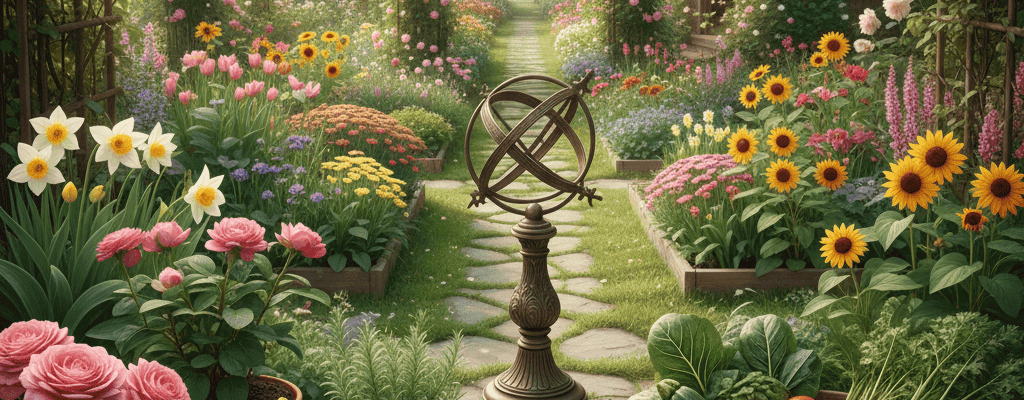
Create a Lush Garden Top Seasonal Advice Is Here Now
Spring, summer, fall, and winter all call for different jobs to keep a garden lively and thriving. To have a garden that looks full and alive all year, planning must match each season’s needs. Here are practical, proven tips to use now and in the months ahead to grow a lush garden. This advice covers caring for flower beds, container plants, and grass, giving simple ways to keep everything looking sharp and healthy. Garden lovers who want strong, green spaces will find the secrets to success here. Keep reading to unlock easy tricks that make your garden stand out no matter the weather.
Think of seasonal care as a rhythm to follow. Give attention when plants need it most and scale back when growth slows. Below you will find clear steps for soil, water, plant selection, pest control and mowing and trimming routines. Use the checklists and examples to keep tasks manageable and to track results from one year to the next.
Create a seasonal plan that works with your site
Begin by mapping sun exposure, drainage and microclimates in your yard. Note where morning sun is strongest and where afternoon shade keeps temperatures lower. Sketch existing trees, built structures and hardscape that change light patterns through the day. When you match plants and tasks to those conditions you reduce wasted effort and improve long term performance.
Set realistic goals for bloom time and color, water use and maintenance level. A low maintenance bed may accept a mix of perennials, grasses and groundcovers that don’t need weekly attention. A showy mixed border requires more pruning and seasonal feeding. Decide which areas will get high priority and which will be allowed to mature on their own.
Test and nourish soil for steady growth
Healthy soil produces stronger plants that resist pests. A simple soil test tells you pH and nutrient levels so you can correct imbalances without guessing. In most gardens a pH range between 6.0 and 7.0 suits a wide range of plants. Sandy soils drain quickly and benefit from added organic matter. Heavy clay soils need work to improve structure and root penetration.
- How to take a sample. Collect several small samples from different spots at planting depth and mix them in a clean bucket.
- Adding organic matter. Spread a 1 to 3 inch layer of compost on beds in fall or spring and mix lightly into the top few inches to improve drainage and nutrient retention.
- Slow release fertilization. Use a low nitrogen, balanced feed in early spring and again in late summer for perennials that need a push before bloom cycles.
Watering by season and plant type
Water needs change with temperature and plant growth stage. Newly installed plants require more frequent, gentle watering so roots establish. Mature plants usually benefit from deeper, less frequent water to promote root development. Use a soil probe or your finger to check moisture at root level rather than relying on surface dryness.
Spring and summer watering tips
Water deeply at the root zone to encourage roots to grow down rather than stay near the surface. Aim for roughly one inch per week for many lawns and established beds when natural rainfall is low. Early morning is the best time to water to reduce evaporation and limit time foliage stays wet at night which can invite disease.
Fall and winter adjustments
As temperatures cool cut back on frequency and increase spacing between waterings. Many shrubs and trees shift into dormancy and excess moisture can lead to root issues in poorly drained soils. Use mulches to retain moisture and moderate soil temperature around root zones.
Select plants that give interest throughout the year
Choose a mix of plants that provide seasonal highlights along with steady filler. For example pair spring bulbs with late spring perennials then add summer flowering shrubs and fall grasses to extend the season. Evergreens and deciduous shrubs with attractive bark fill in the quieter months.
- Long season blooms. Plants like coneflower, catmint and coreopsis bloom over long stretches and reduce the need to replant regularly.
- Structure and texture. Ornamental grasses and shrubs supply shape and motion when flowers fade.
- Layering. Use taller plants toward the back of beds and groundcovers at the front to reduce weed space and provide visual depth.
Pest and disease prevention that fits the calendar
Regular monitoring is the simplest and most effective step. Walk your beds weekly during the growing season and inspect leaves and stems for early signs of problems. Remove small infestations by hand and prune out diseased material to reduce spread. Sanitation is a powerful tool including removing fallen leaves that harbor pathogens in wet climates.
Non chemical options worth trying
Introduce beneficial insects such as ladybugs and lacewings by planting nectar rich flowers. Use row covers to protect young vegetables from moths and beetles. Choose disease resistant plant varieties where available to lower long term interventions.
When to use targeted treatments
Spot treat only when monitoring shows thresholds have been reached. For example a few aphid clusters can be squashed or brushed off with a water spray. Larger outbreaks on sensitive crops may need a targeted product. Read product labels carefully and apply at the recommended timing for best effect.
Lawn care tasks that track with the seasons
Lawns respond best to a predictable routine. Mow at the correct height for your grass type and vary mowing frequency to match active growth. In spring raise the mowing height slightly to shade out weeds. In late summer lower a bit for cleaner finishing before cooler weather. Aeration in early fall helps roots access oxygen and nutrients. For regional support and professional scheduling consider local resources and services that handle seasonal needs with local knowledge.
If you want help from local providers try this resource for more information Weed Pro offers lawn care in Alpharetta and similar services that match timing to climate and soil types.
Seasonal maintenance checklist and tool kit
Keep a compact tool kit on hand so seasonal tasks are easier to tackle. Replace dull blades for clean cuts and keep pruners sharp to reduce plant stress. Basic items to own include a durable trowel, hand pruners, a rake, a hose with adjustable nozzle and a soil probe or moisture meter for accurate checks.
- Spring list. Test soil, edge beds, plant spring annuals, apply mulch and start a feeding plan.
- Summer list. Monitor irrigation, deadhead spent blooms, manage pests and mow appropriately.
- Fall list. Divide perennials, plant bulbs for next spring, aerate lawn and apply a final feed if appropriate for your grass.
- Winter list. Protect sensitive plants, clean and store tools, plan next year’s planting map and prune when plants are dormant if they benefit from it.
Practical time saving methods that do not sacrifice results
Group plants with similar water and light needs to cut down on wasted time and water. Use mulches to suppress weeds and reduce watering frequency. Instead of a large list of high maintenance specimens pick a few high impact plants and use simpler fillers that require little care.
Implement small experiments in one bed before changing an entire property. For instance try a new shrub variety in a single location to confirm hardiness and disease resistance in your conditions before expanding. Record what works and what does not so decisions the following year are based on local results rather than general claims.
Budget friendly choices that still look intentional
You do not need to spend a lot to fill a garden with charm. Start with foundation shrubs and add perennials which often return year after year with minimal input. Take cuttings from robust plants and share or swap with neighbors to grow variety without high cost. Look for sales on seasonal stock in early spring to plant when the ground is ready.
Focus spending on items that last like quality tools, good compost and a few key shrubs rather than many single season annuals. Over time the investment in soil and structure pays off with reduced time and expense for replacements and problem fixes.
Conclusion
Keeping a garden lush across seasons is about timing and steady choices. Use soil testing, correct watering, plant selection and a seasonal calendar to make each task meaningful. Regular checks for pests and plant health let you act early and keep problems small. Small investments in mulch, compost and a few reliable plants yield visible returns and reduce repetitive work. If you start with a plan then the garden becomes easier to maintain and more rewarding to live with. Try the checklists and observe results over a single year to see how small adjustments affect bloom length, plant vigor and lawn health. If you need help with a specific season or site issue consult local resources or a trusted lawn care provider. Take a moment this week to map sun and shade in your yard and list three changes you can make this month. Those three actions will move your outdoor space toward a fuller, healthier garden and set you up for success next season.